![Text logo reads Simpli [house emoji][heart emoji] Painted. Preferred for a reason. The house and heart emojis replace the word love. Black text on a white background.](https://simplipainted.com/wp-content/uploads/2026/08/cropped-IMG_3593.jpg.webp)
Cabinet Painting – Mooresville, NC
Simpli Painted brings the meticulous, factory-quality cabinet painting that has earned a perfect five-star reputation across the Charlotte region to Mooresville NC homeowners — guaranteed results, and a clean process that respects your home from start to finish.
Cabinet Painting – Mooresville NC Homeowners — Your Cabinet Painting Specialist Is Here
Cabinet Painting- Mooresville NC has earned its reputation as one of the most desirable communities on the Lake Norman shoreline — a town with genuine character, a thriving waterfront lifestyle, and homeowners who invest meaningfully in the quality and beauty of their properties.
From the established lakefront estates along the shore to the newer planned communities and neighborhoods that have grown up around them, Mooresville attracts residents who know what quality looks like and won’t accept anything less when they invite a craftsman into their home.
Simpli Painted brings exactly the standard Mooresville homeowners expect. With years of experience delivering flawless cabinet finishes to some of the most discerning homeowners across the greater Charlotte and Lake Norman region — and a professional background in Nuclear Coatings, Simpli Painted is the unquestioned choice. Our team approaches every Cabinet Painting – Mooresville NC project with the same obsessive attention to preparation, precision, and finish quality that is backed by five-star Google reviews.

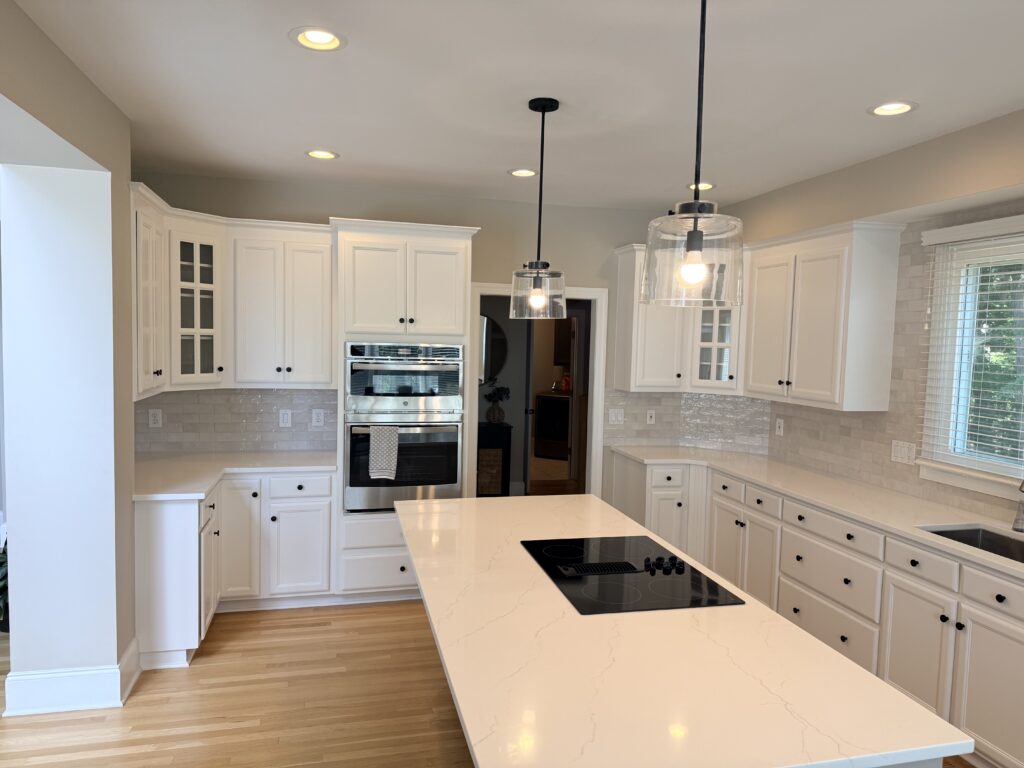
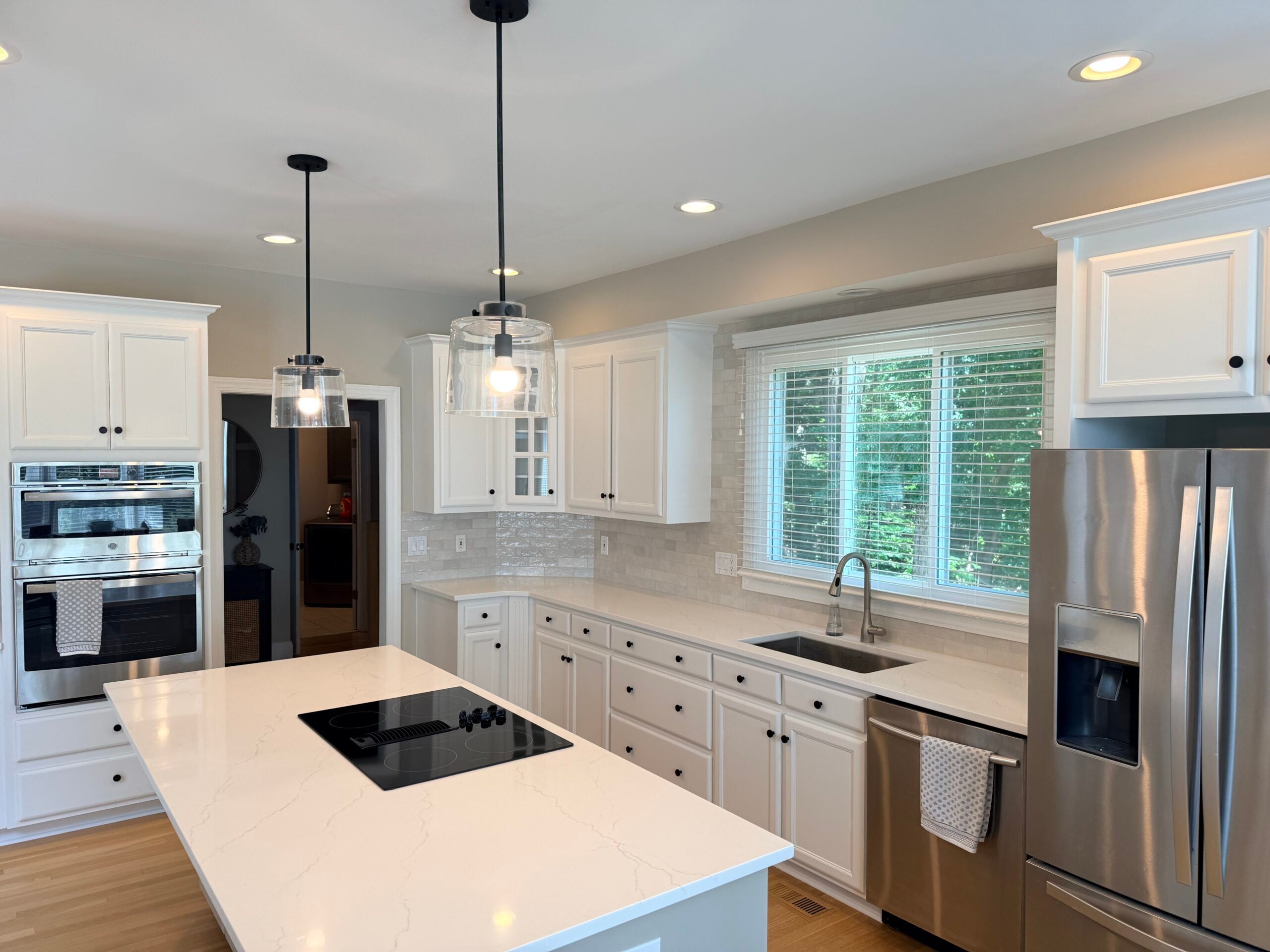

Cabinet Painting Mooresville NC


What Every Cabinet Painting – Mooresville NC Client Receives on Every Project
From the shores of Lake Norman to the newest Mooresville neighborhoods, every Simpli Painted project follows the same thorough, proven process that has earned a perfect five-star reputation across the Charlotte region. Here’s exactly what Cabinet painting Mooresville clients receive:
Exclusive cabinet painting focus — a specialist whose entire professional attention is devoted to one craft, delivering a depth of expertise and consistency of result that no generalist painting company can offer.
Off-site shop painting — every door and drawer front carefully removed, transported to Ronald’s shop, and painted in a clean, controlled environment where dust, wind, and household activity cannot compromise the finish.
Professional-grade cleaning & degreasing — every surface thoroughly cleaned of grease, cooking residue, and years of kitchen buildup before a single coat of primer is applied.
Complete surface preparation — every imperfection, scratch, ding, and worn edge filled, sanded, and repaired before painting begins.
Premium materials throughout — professional-grade primer and topcoat selected specifically for the durability demands of a high-use kitchen environment.
Flawless spray-applied finish — perfectly smooth, perfectly even, and completely free of brush marks, roller texture, or any visual shortcut.
Clean and respectful job site — every countertop, appliance, floor surface, and adjacent area carefully masked and protected throughout the project.
Same crew, same process, every job — the painters on your kitchen have been with Simpli Painted for years and paint cabinets only, and every cabinet gets the same prep, primer, and sprayed topcoat.


Serving Mooresville NC & the Broader Lake Norman Community
Simpli Painted proudly serves homeowners throughout Mooresville NC and the surrounding Lake Norman area — including Cornelius, Davidson, Huntersville, Denver, Troutman, and the broader communities that make up one of the most beautiful and sought-after regions in all of North Carolina.
Mooresville’s remarkable diversity of home styles — from grand lakefront properties and custom estate builds to newer construction communities and beautifully maintained established neighborhoods — means Ronald regularly works on kitchens that range from expansive high-end cabinetry installations to precise, detail-focused refreshes on homes where every surface detail matters.
Whatever your Mooresville kitchen looks like today and whatever transformation you have in mind, Ronald brings the experience, the process, and the unwavering commitment to craft needed to deliver a result that will genuinely exceed your expectations — and a guarantee that you won’t pay a cent until it does.