![Text logo reads Simpli [house emoji][heart emoji] Painted. Preferred for a reason. The house and heart emojis replace the word love. Black text on a white background.](https://simplipainted.com/wp-content/uploads/2026/08/cropped-IMG_3593.jpg.webp)

Cabinet Painting That Looks Built to Last
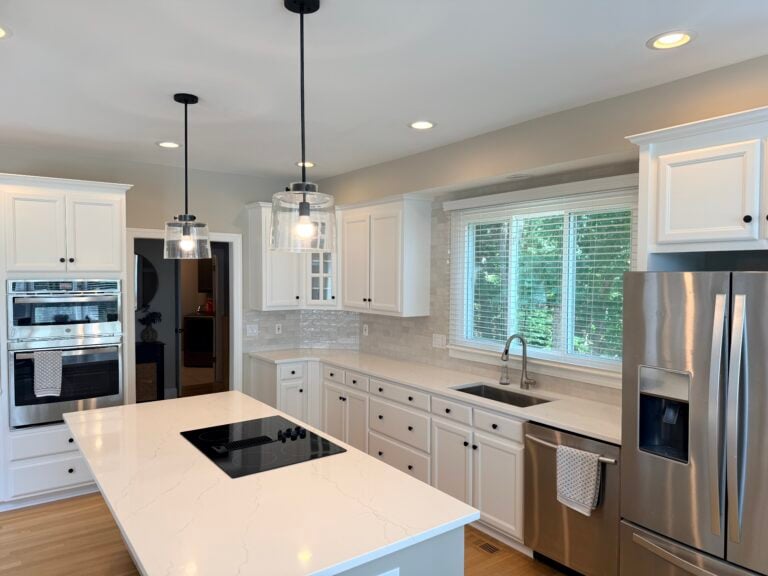
A dated honey-oak kitchen can make an otherwise well-kept Charlotte home feel stuck in another decade. Cabinet painting changes that visual weight quickly, but only when it is treated as a refinishing project, not a weekend wall-painting task. The difference shows up in the details homeowners touch every day: smooth door faces, clean edges, even color, and a finish that stands up to cooking, cleaning, and family life.

For homeowners in Lake Norman, South Charlotte, Waxhaw, Matthews, Cornelius, and nearby communities, professionally refinishing existing cabinetry can deliver the updated look of a major renovation while preserving cabinets that are still structurally sound. It is a practical choice, but it should never look like a compromise.
Why Cabinet Painting Is More Than a Color Change
Paint color is often what starts the conversation. A warm white can brighten a kitchen with limited natural light. A soft greige can calm a space with busy countertops. Deep navy, charcoal, or black can turn an island or bathroom vanity into a tailored focal point.
Yet the real value of cabinet painting is not simply covering an old stain. It is restoring the visual quality of the cabinetry itself. Cabinet doors have profiles, seams, edges, joints, hardware holes, and high-contact areas that reveal poor preparation almost immediately. Grease can prevent adhesion. A glossy factory coating can reject new paint. Raised grain, worn corners, and old brush marks can telegraph through a fresh color if they are not addressed correctly.
That is why a professional cabinet finish must be built in layers. The goal is a consistent, durable surface that feels intentional from every angle, not a finish that looks acceptable from across the room but falls short when the pantry door is open.
The Preparation Behind a Factory-Quality Finish
The best cabinet finishes begin long before spraying. Proper preparation is what allows the new coating to bond, level, and wear well over time.
Cleaning and degreasing come first
Kitchen cabinets collect more than ordinary dust. Cooking oils, hand residue, aerosol cleaners, and years of household buildup can settle on door fronts and around handles. Even cabinets that appear clean may carry contamination that interferes with primer and paint adhesion.
A meticulous cleaning and degreasing process removes that invisible barrier. Skipping it is one of the most common reasons painted cabinets chip, peel, or develop uneven areas prematurely. This step is especially important around cooktops, range hoods, trash pullouts, and frequently used drawers.
Sanding creates the right surface
Sanding is not about aggressively stripping every cabinet to bare wood. It is about creating a properly prepared surface, smoothing wear, and giving primer the profile it needs to grip. The right approach depends on the existing material and finish, whether the cabinets are stained wood, previously painted, laminate, or a manufactured product.
This is where specialization matters. Different cabinet materials respond differently, and a one-size-fits-all approach can create problems. Some surfaces need additional adhesion steps. Others require careful repairs or grain filling before a smooth painted result is possible.
Primer protects the investment
A high-quality primer does more than create a blank canvas for color. It helps block tannin bleed from wood, supports adhesion, and creates a stable base for the finish coats. Without the right primer, dark stains can migrate through lighter colors, or a new finish can fail at edges and high-use areas.
The correct primer and coating system should be selected for cabinetry, not borrowed from a standard interior wall-painting project. Kitchen and bath cabinets need a harder, more resilient finish because they live with moisture, cleaning products, fingerprints, and repeated opening and closing.
Controlled spraying makes the difference visible
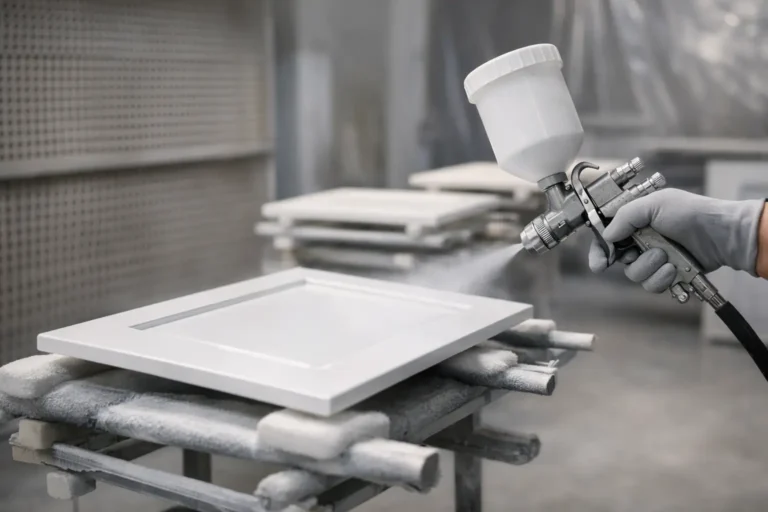
Doors and drawer fronts benefit from being removed, prepared, and sprayed in a controlled environment. This allows for even coverage and a smooth, refined surface with fewer opportunities for dust, overspray, drips, or brush texture.
On-site cabinet boxes are protected carefully and finished with the same attention to coverage and consistency. The process requires thoughtful masking, ventilation, cleanliness, and sequencing so the kitchen remains orderly throughout the project. A professional team plans around the home as well as the cabinets.
When Painting Is the Right Alternative to Replacement
Cabinet replacement is appropriate when the layout no longer works, the boxes are severely damaged, or homeowners want to change the footprint of the room. If a kitchen needs more storage, a larger island, relocated appliances, or structural modifications, painting alone will not solve those needs.
But many homeowners do not need a new layout. They need their existing kitchen to look current, cohesive, and well cared for. If cabinet boxes are solid, doors function properly, and the configuration supports the way the household lives, refinishing can be the smarter investment.
Retaining cabinetry avoids much of the cost and disruption associated with demolition, new cabinet ordering, countertop removal, plumbing changes, and extended construction schedules. It also keeps quality existing cabinet construction in place rather than sending usable materials to a landfill.
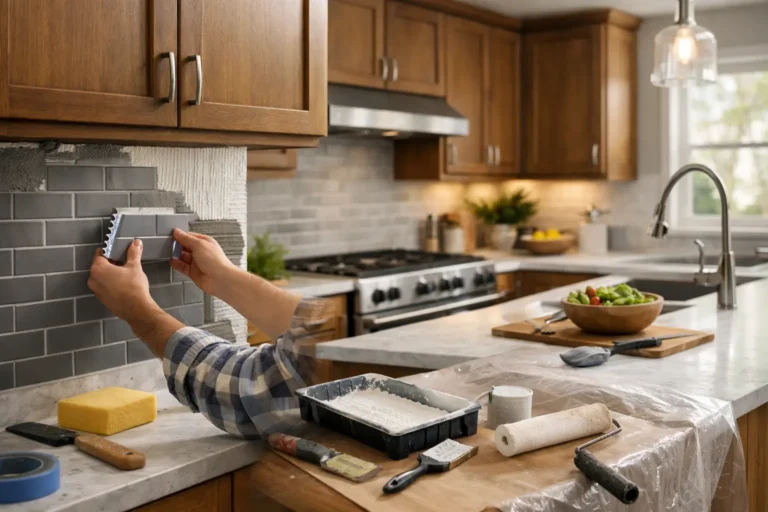
The savings can leave room in the renovation budget for complementary improvements such as updated hardware, lighting, backsplash, countertops, or fixtures. Often, that combination produces a more complete transformation than spending the entire budget on replacement cabinets alone.
Choosing a Color That Works Beyond the Trend
The best cabinet color is not always the most popular color online. It should work with the fixed elements in your home: flooring, countertops, backsplash, wall color, appliance finishes, and the amount of natural light in the room.
Soft whites remain a strong choice for kitchens that need brightness, but undertones matter. A white with too much yellow can clash with cool marble-look counters; one that reads too gray may feel flat in a warm, sun-filled room. Neutral greiges and mushroom tones can bring warmth without returning to the heavy look of traditional stained wood.
For homeowners who want contrast, a darker island or lower cabinets can add depth while keeping upper cabinets lighter and more open. In bathrooms, a painted vanity can give a compact space a custom feel without a full remodel. The right choice depends on the room, the architecture, and the finish materials that are staying.
Before committing, view samples in the actual space at different times of day. Charlotte sunlight can change dramatically from a bright morning to a warm afternoon, and interior lighting can shift the appearance of undertones after dark.
What Separates a Cabinet Specialist From a General Painter
A capable house painter may do excellent work on walls, ceilings, trim, and exterior surfaces. Cabinetry is a different discipline. It demands product knowledge, detailed prep, controlled application, and an understanding of how a finish will behave on moving parts and frequently handled surfaces.
Homeowners should look beyond a low estimate and ask how doors and drawer fronts will be finished, how grease and existing coatings will be addressed, what primer system will be used, and how the work area will be protected. Ask about the expected cure period as well. A finish may feel dry before it reaches its full hardness, and careful use during that early period protects the result.
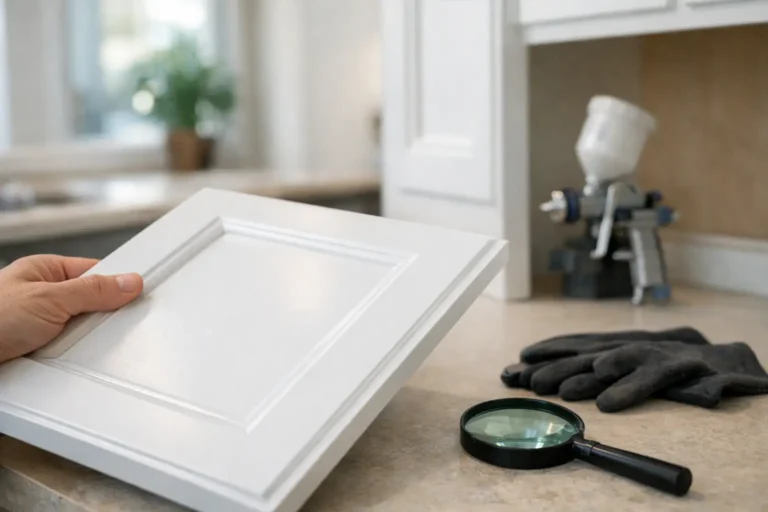
Photos can be helpful, but close-up workmanship matters most. Look for smooth finishes, crisp edges, consistent sheen, and careful treatment around hinges, hardware, and cabinet interiors. A quality process should be clear enough that you understand what is happening in your home and why.
Simpli Painted approaches cabinetry as a specialized refinishing service, with the preparation and spray-finishing process needed to create a durable, high-end result rather than a quick cosmetic cover-up.
Care That Keeps Painted Cabinets Looking Fresh
Once the finish has cured, everyday care is straightforward. Wipe spills promptly with a soft cloth and mild cleaner, particularly around cooking areas and sinks. Avoid abrasive pads, harsh solvents, and aggressive scrubbing, which can dull the finish over time.
Use cabinet hardware rather than pulling doors open by the edge whenever possible. Small habits reduce wear on high-touch areas and help preserve the clean, even look of the finish. If a future nick or scratch occurs, have it assessed rather than applying leftover paint without preparation. Spot repairs need to blend with the surrounding sheen and texture.
A well-planned cabinet transformation should make the rest of the room feel more considered. Start by looking honestly at what is still working in your kitchen or bath. If the cabinet structure is sound, a carefully applied finish may be the update that lets your home feel current again without turning daily life upside down.
Thinking about your own cabinets?
Simpli Painted refinishes existing cabinets in the Carolinas and coastal Georgia. Doors and drawer fronts are sprayed in our shop, the boxes are finished in place, and every job carries a 2-year warranty against peeling, blistering and yellowing. 4,000+ kitchens, backed by five-star Google reviews.
Send 3–4 photos of your kitchen and we’ll quote it.